Private Flight Washington, DC to New York
Private flight Washington, DC to New York covers 194 nautical miles. A light jet makes the hop in about 46 minutes. Turboprop estimates run $2,200 to $3,500.
- Start
- Route list
- Washington, DC toward New York
- 194 nm223 miles
- 0h 59mturboprop travel time
- $2,200–$3,500single-leg estimate
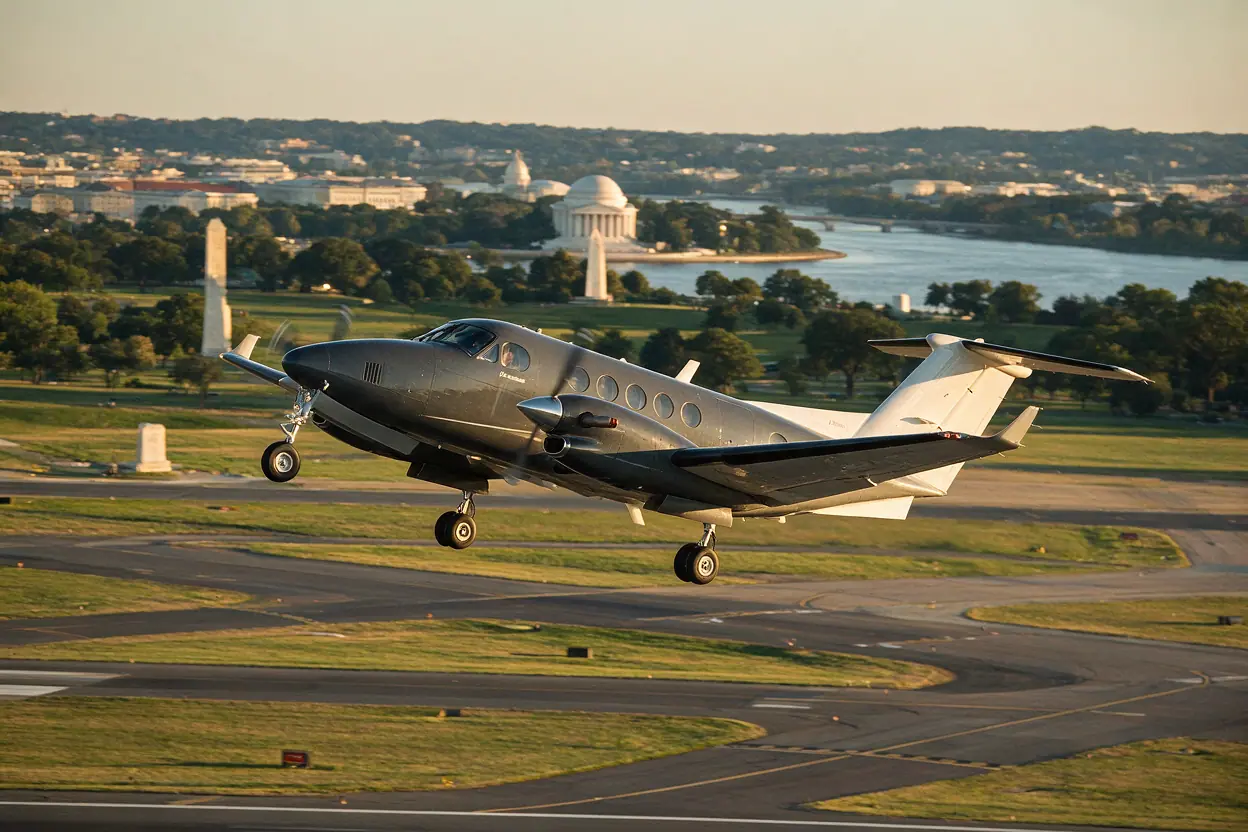
Jet pricing Washington, DC–New York by aircraft type
Flying private from Washington, DC to New York takes a turboprop 0h 59m over 194 nautical miles, with a one-way estimate of $2,200–$3,500.The figures below compare each class on this corridor by flight time and estimated price range. Times are airborne, gate to gate on the runway, and prices are estimates that move with aircraft availability, crew positioning, and the day you fly. Washington-Dulles and Reagan National anchor the departure side; Teterboro, Morristown, LaGuardia, and Newark handle the New York end. A turboprop keeps the lowest entry point, while jets trade a little money for speed and cabin room.
| Aircraft class | Time aloft | One-way quote | Detail |
|---|---|---|---|
| Turboprop | 0h 59m | $2,200–$3,500 | Best fit |
| Light jet | 0h 46m | $4,000–$6,000 | Nonstop |
| Midsize jet | 0h 46m | $5,200–$8,000 | Nonstop |
| Super-midsize jet | 0h 44m | $7,200–$10,000 | Nonstop |
| Heavy jet | 0h 44m | $9,500–$14,500 | Nonstop |
Aircraft-level estimates, not per passenger, before federal excise tax and segment fees. Times cover taxi, climb and descent.
Airline fares beside a charter, Washington, DC to New York
Airline figures are the lowest Google Flights fares for one traveller on Dec 9, 2026 (checked Nov 15, 2026); the charter line is our estimate for the entire aircraft. For 8 travellers, airline first class tickets total roughly $1,712, compared with $2,200–$3,500 for the whole turboprop.
| Way to fly | Operator | Flight time | One-way quote | Per seat |
|---|---|---|---|---|
| Economy on a commercial airline | JetBlue · nonstop | 1h 12m | $144 | $144 |
| Airline first class | Delta · nonstop | 1h 16m | $214 | $214 |
| Turboprop | The entire jet, seating up to 8 | 0h 59m | $2,200–$3,500 | $280–$440 |
Airline ticket prices shift daily and don't cover bags past the fare's limit; the per-seat charter number presumes all seats are taken.
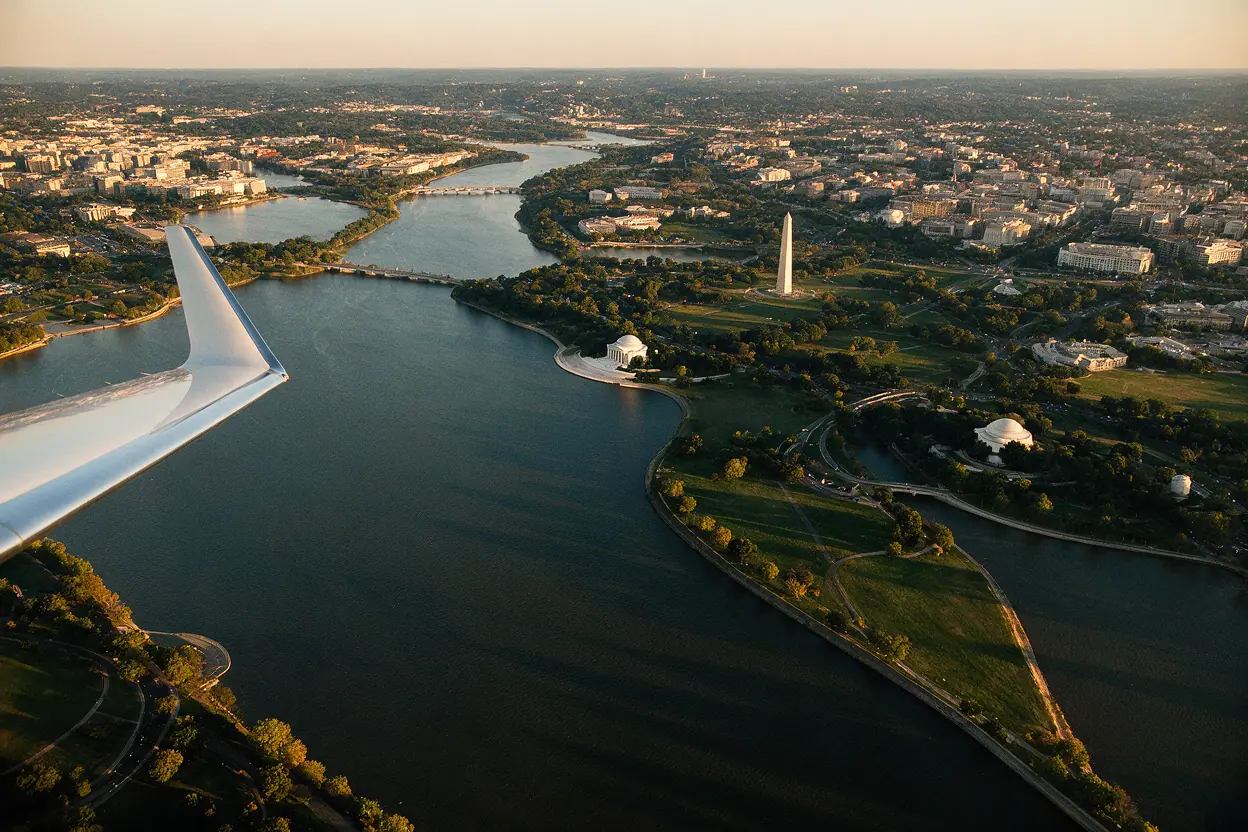
Leaving Washington, DC
Washington Dulles International carries the longer runway at 11,500 feet, which matters for larger aircraft and hot afternoons; Reagan National's 7,169-foot runway handles turboprops and light jets without trouble. Both sit close to the District, so the drive to the ramp is the first real variable in your day.
Departing from Dulles or Reagan National keeps the ground leg short and the airborne time under an hour. If your morning starts downtown, a car to either airport takes less time than the commercial trek through security, and your group boards together at the ramp rather than in a terminal line.
Arriving in New York
Teterboro sits across the Hudson in New Jersey and puts you about 10 miles from the center, though the flight covers far less. Its 6,997-foot runway suits turboprops and light jets, and the drive into Manhattan is short once you clear the tunnel.
Teterboro and Morristown give New York-bound travelers small-airport access without the crowds at LaGuardia or Newark. LaGuardia's 7,002-foot runway and Newark's 11,000-foot strip serve the city directly and can make sense when your destination sits in Queens, Brooklyn, or lower Manhattan. Morristown's 5,998-foot runway is the tightest of the four but rarely a constraint for the aircraft on this route.
| Field | ID | Rwy |
|---|---|---|
| Washington Dulles International Airport | KIAD / IAD | 11,500 ft |
| Ronald Reagan Washington National Airport | KDCA / DCA | 7,169 ft |
| Teterboro Airport | KTEB / TEB | 6,997 ft |
| Morristown Municipal Airport | KMMU / MMU | 5,998 ft |
| LaGuardia Airport | KLGA / LGA | 7,002 ft |
| Newark Liberty International Airport | KEWR / EWR | 11,000 ft |
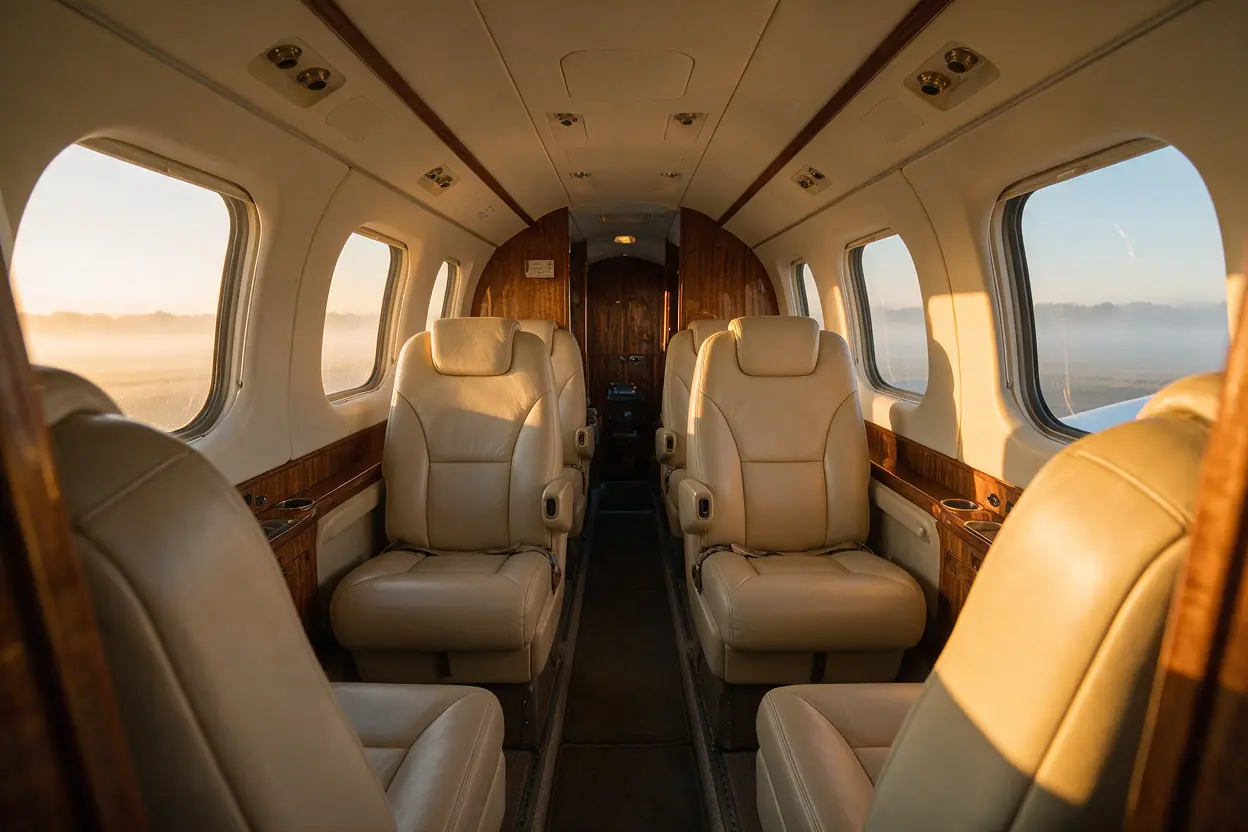
How a turboprop suits your trip
A turboprop is the practical pick on a hop this short because the airborne time penalty is only minutes against the lowest estimate on the page, from $2,200 to $3,500. Aircraft like the Daher TBM 960 and Beechcraft King Air 350i carry six to eight passengers and land comfortably on the runways at Teterboro and Morristown. The 223-mile route rewards a turboprop with a lower estimate and easy runway access at both ends.
A light jet flies the corridor in about 46 minutes for roughly $4,000 to $6,000, and a midsize jet matches that time for $5,200 to $8,000 with more cabin space. Super-midsize and heavy jets shave two minutes and cost from $7,200 up to $14,500, which buys comfort rather than time. For a short hop into New York, a turboprop often beats a jet on cost without costing you the day. If your party is larger or you want stand-up cabin room, the midsize step is the sensible upgrade.
Daher TBM 960
Cabin 4 ft tall, 13 ft 3 in long. Baggage 32 cu ft.
- 6 pax
- 330 kt Cruise
- 1,730 nm max range
Beechcraft King Air 350i
Cabin 4 ft 9 in tall, 16 ft 8 in long. Baggage 55 cu ft.
- 8 pax
- 312 kt Cruise
- 1,800 nm max range
Private flight Washington, DC
Demand peaks on weekday mornings into New York and Thursday or Friday afternoons heading south, when business travel and weekend plans overlap. Booking your turboprop or jet a week ahead on those days protects both the estimate and your departure window. Short-notice requests narrow the fleet available at either end, so the private flight Washington, DC to New York you want may not be the one you get.
Summer afternoons and holiday weekends tighten aircraft availability on this corridor faster than the flight time suggests. If your trip falls near a holiday, lock the aircraft early so the estimate does not drift. If you need a return leg the same day, say so when you request quotes. Winter weather at either end can also reshuffle schedules, and a flexible departure window helps.
Other jet routes like Washington, DC–New York
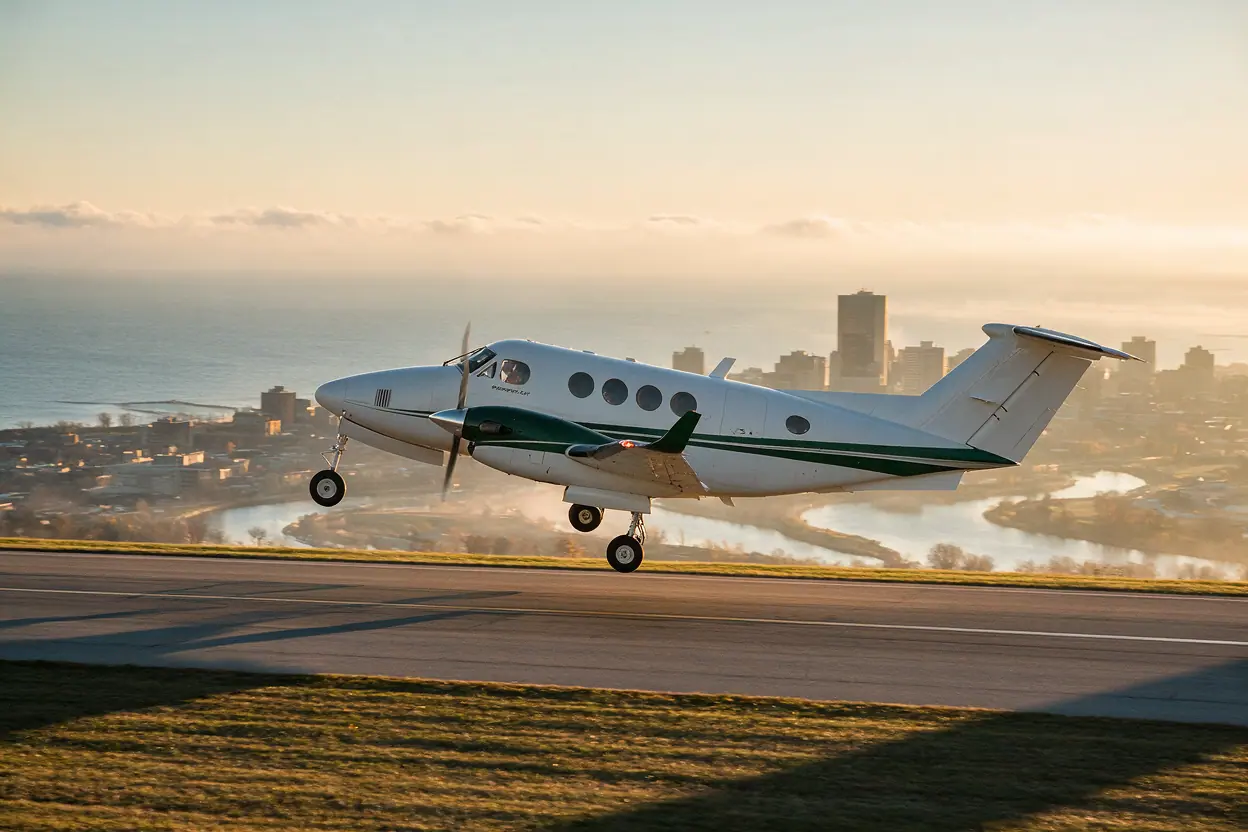
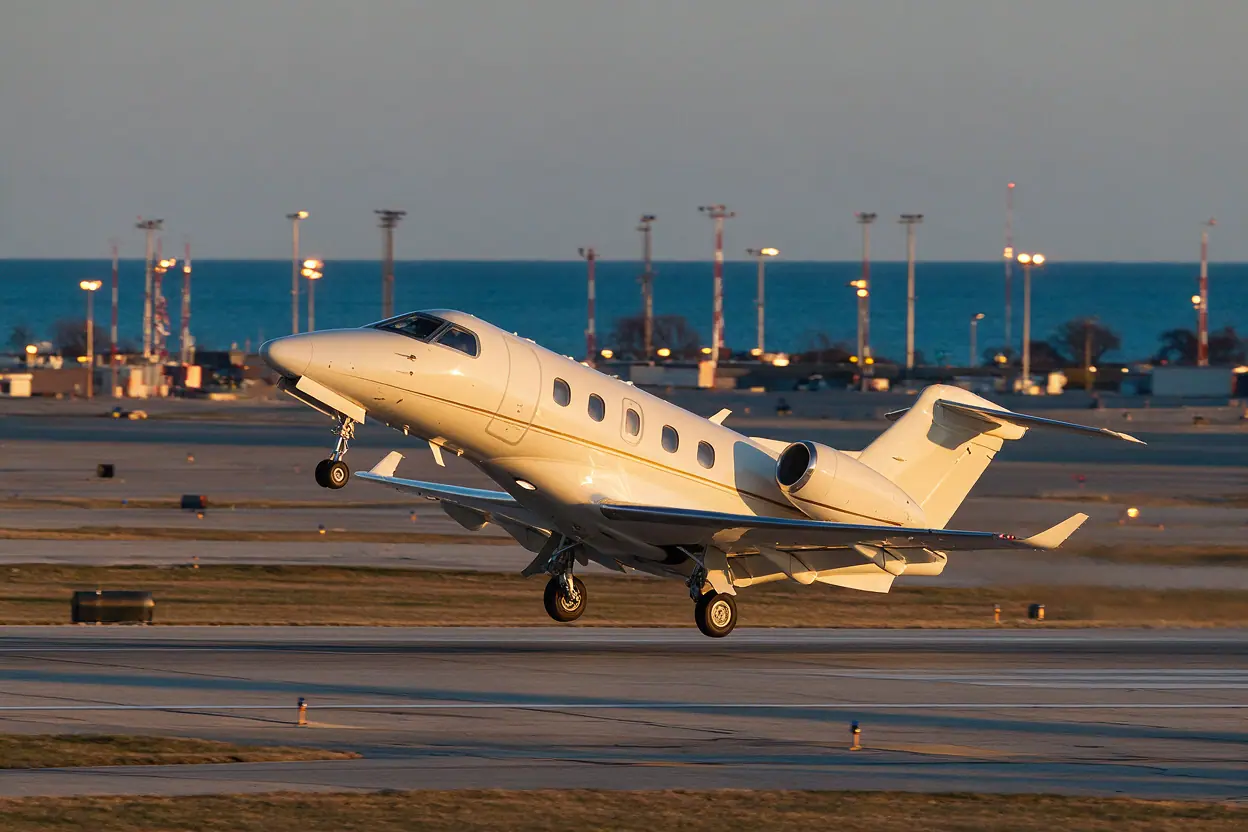
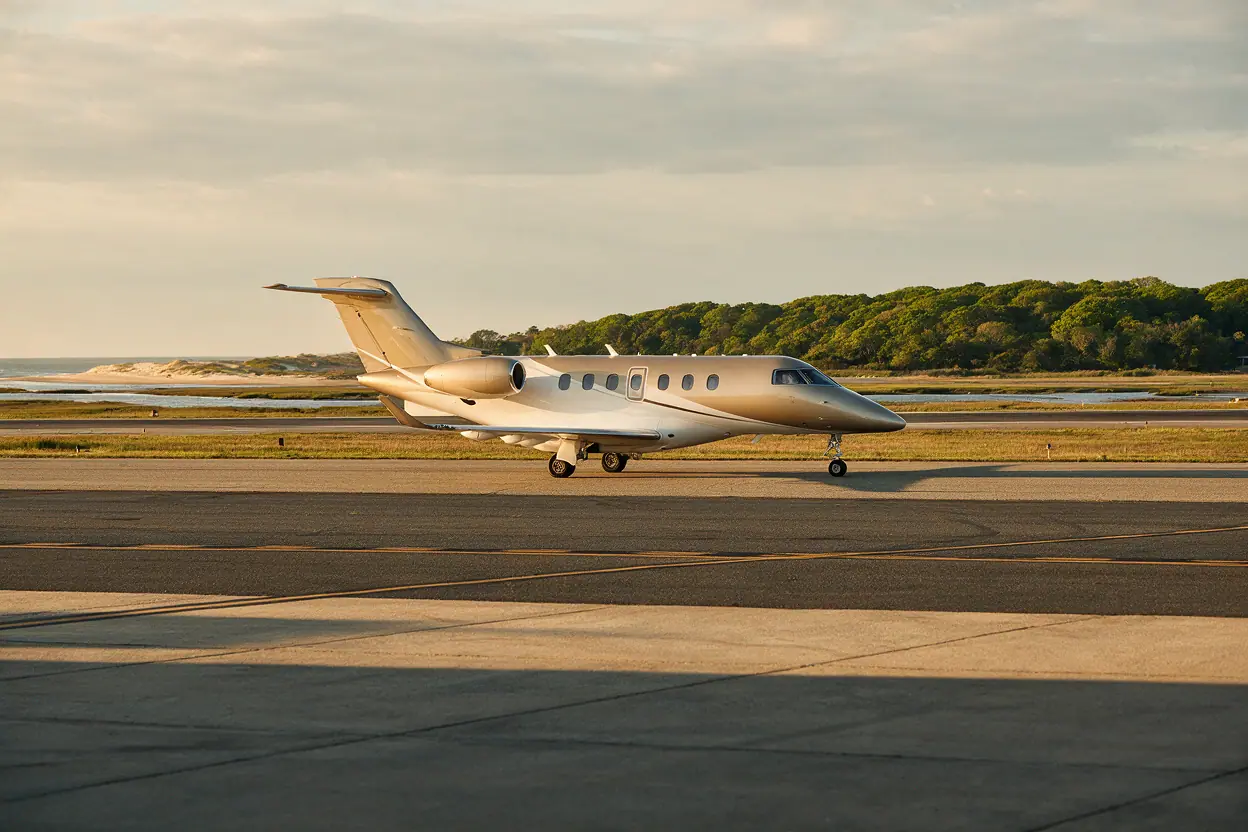
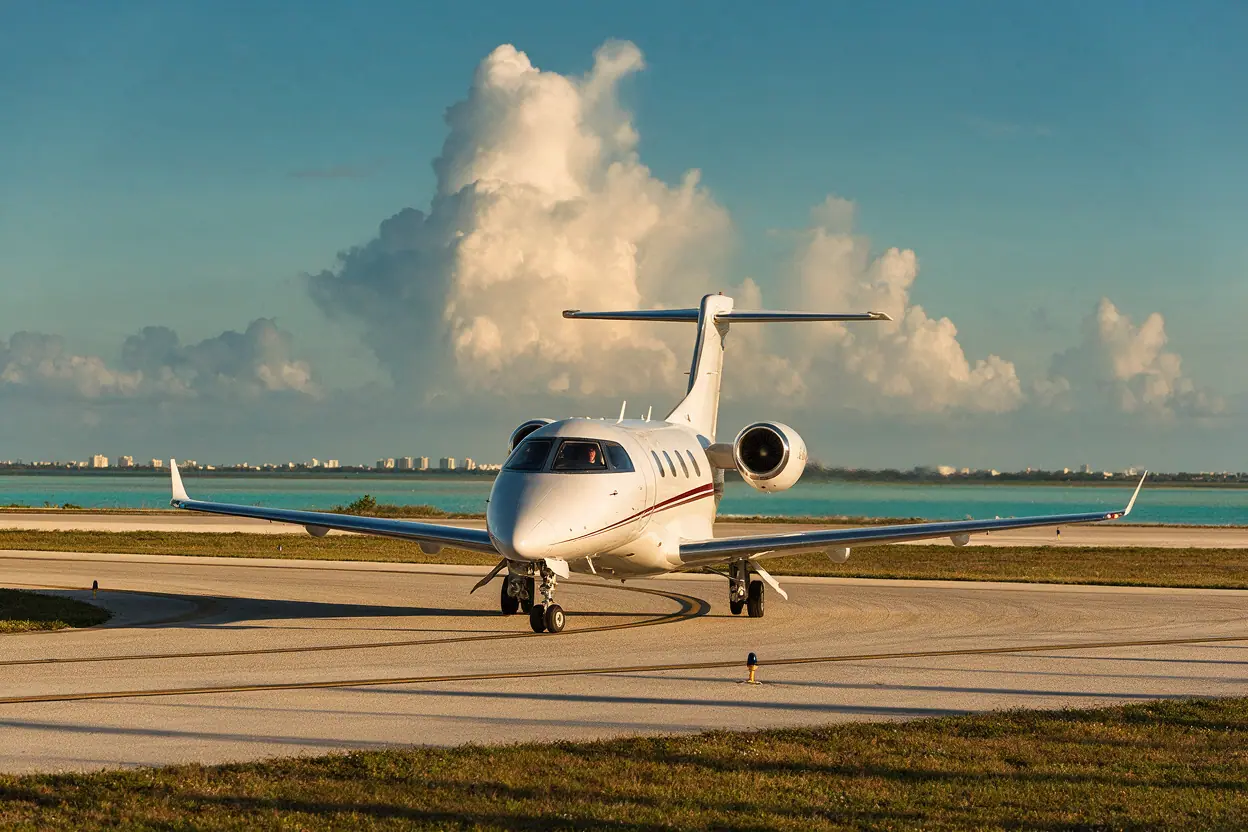
The 6 private jet legs here span 158 to 1,191 nautical miles; single-leg turboprop estimates range from $2,200 to $15,500.
This route's common questions
How long is a private flight Washington, DC to New York?
The private flight Washington, DC to New York covers 194 nautical miles, or 223 statute miles, and takes about 46 minutes in a light or midsize jet. A turboprop needs roughly 59 minutes, and super-midsize or heavy jets make it in about 44. Those are airborne times; add the drive to the Washington airport and the ride from Teterboro, Morristown, LaGuardia, or Newark into the city.
What does a private flight from Washington, DC to New York cost?
Estimates run from $2,200 to $3,500 for a turboprop, $4,000 to $6,000 for a light jet, and $5,200 to $8,000 for a midsize jet. Super-midsize aircraft land between $7,200 and $10,000, and heavy jets from $9,500 to $14,500. These are estimates, not fixed fares, and they move with availability and crew positioning on your dates.
Which aircraft suits a short hop into New York?
A turboprop such as the Daher TBM 960 or Beechcraft King Air 350i fits this distance well, carrying six to eight passengers for the lowest estimate on the page. The flight time penalty against a jet is only minutes. If you want more cabin room for a larger group, a midsize jet adds space for a moderate step up in price.
Which New York airport should I use?
Teterboro is the usual choice for Manhattan-bound travelers, with a 6,997-foot runway and a short drive across the Hudson. Morristown's 5,998-foot runway serves northern New Jersey well. LaGuardia and Newark put you closer to Queens, Brooklyn, and lower Manhattan, and Newark's 11,000-foot runway handles the largest aircraft on this route.
Can I fly Washington, DC to New York and back in one day?
Yes, and the flight time makes it practical: roughly 46 minutes each way in a jet. Tell your provider you want a return leg when you request the quote. Same-day turns work best when you keep a flexible departure window on both ends.
When do prices rise on this route?
Weekday mornings into New York and Thursday or Friday afternoons heading south see the heaviest demand, and estimates climb when aircraft are scarce. Holiday weekends and summer afternoons tighten availability further. Booking a week or more ahead on peak days usually holds the estimate closer to the low end of the range and keeps your departure window intact.