Super-midsize jet charter New York
A super-midsize jet gives you a stand-up cabin and nonstop reach from New York. Expect hourly estimates of $7,200 to $10,000 for the Challenger 350 or G280. Below are the cabins, routes and timing that shape a booking.
- $7,200–$10,000per flight hour
- 8-10seats
- 3,200 nmnominal range
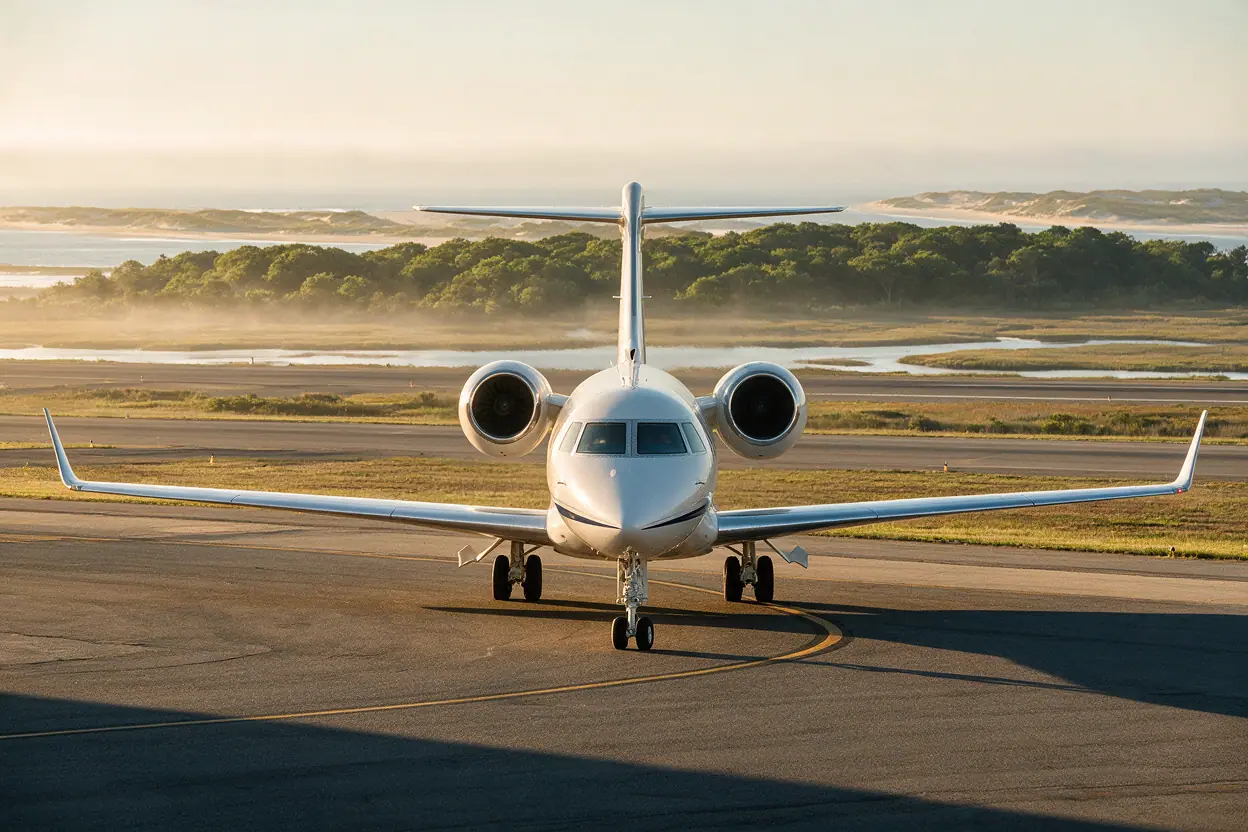
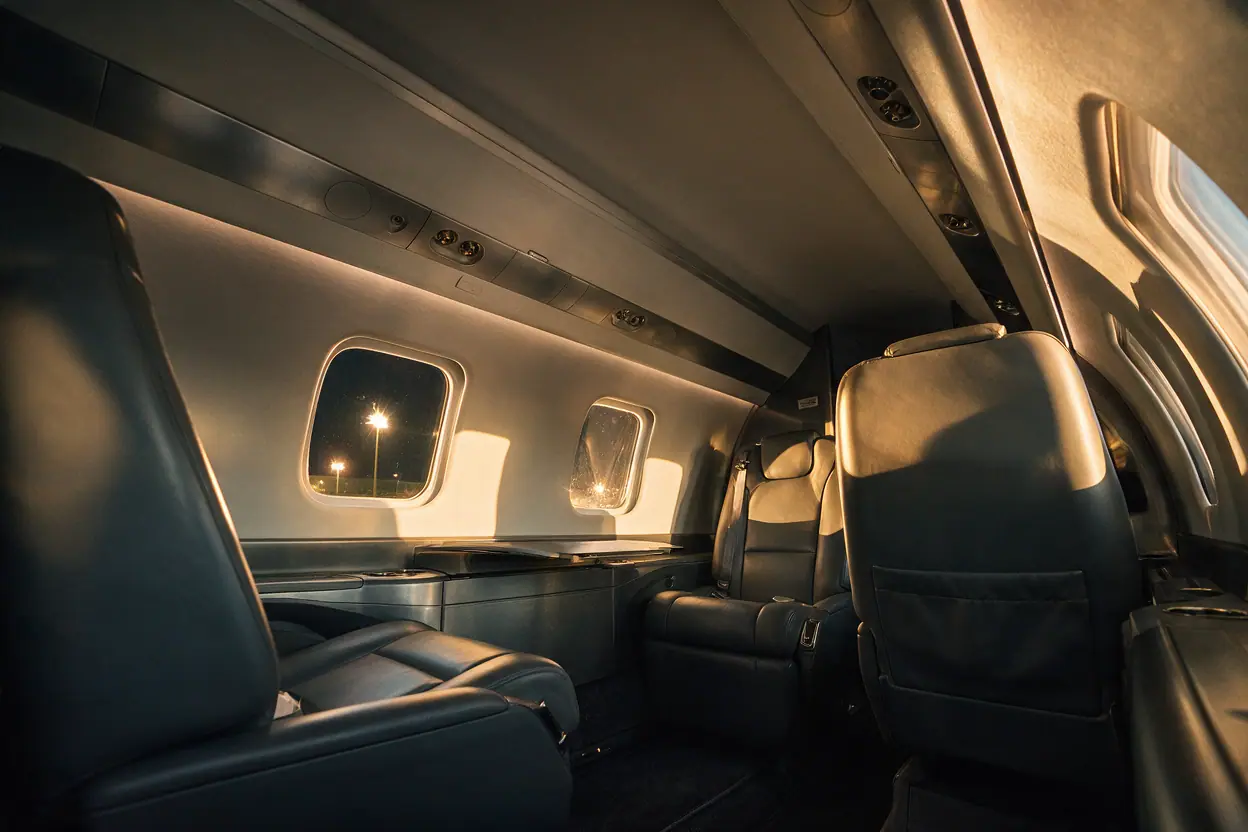
A super-midsize jet sits between a midsize and a heavy, and that middle ground is why it suits New York so well. The two cabins we quote most are the Bombardier Challenger 350 and the Gulfstream G280. Both fly 8 to 10 passengers at roughly 470 to 482 knots, both carry enough baggage for a full ski or golf trip, and both board from the ramp at a general aviation terminal rather than a commercial concourse. Expect a six-foot-plus stand-up cabin and about 106 to 154 cubic feet of baggage on this class — enough that a family of four packs without negotiating. Hourly estimates for the class land between $7,200 and $10,000, so the wide-body comfort never arrives at wide-body pricing.
The reason travelers choose this size out of New York is distance. A super-midsize jet typically covers 3,200 nautical miles in one leg, which unlocks the West Coast nonstop, and the G280 stretches that to 3,600. Transcontinental time is the payoff: Los Angeles to New York runs 2,129 nautical miles and about 5 hours 3 minutes, and San Francisco to New York is 2,227 nautical miles and about 5 hours 17 minutes. If you need to reach California and back inside two working days, then a super-midsize jet removes the overnight stop a smaller cabin forces. For shorter hops the same aircraft is a fast commuter: Washington to New York is 194 nautical miles and about 44 minutes, Boston is 158 nautical miles and about 39 minutes.
Bombardier Challenger 350
The Challenger 350 is the default super-midsize pick for New York transcons. Ten passengers, 470 knots cruise and a 3,200 nautical mile range put Los Angeles and San Francisco within nonstop reach with a full cabin. The cabin stands 6 feet tall and runs 25 feet 2 inches long, and the 106 cubic foot baggage bay is generous for the class. Hourly estimates sit inside the $7,200 to $10,000 band. For a late-afternoon departure from Teterboro or White Plains with ten aboard, then the 350 is the straightforward answer.
- 10 pax
- 470 kt Cruise
- 3,200 nm max range
- 106 cu ft Luggage
- 25 registered in NY
Gulfstream G280
The G280 trades two seats for legs and speed. Nine passengers, 482 knots and a 3,600 nautical mile range make it the choice when the trip is long or the headwinds are strong, and the cabin is the tallest in the class at 6 feet 3 inches over 25 feet 10 inches. Baggage is 154 cubic feet, the largest of the two. Hourly estimates fall in the same band as the Challenger. If your route is the far edge of transcontinental or you simply want the faster aircraft, then the G280 earns the difference.
- 9 pax
- 482 kt Cruise
- 3,600 nm max range
- 154 cu ft Luggage
- 9 registered in NY
When a super-midsize jet makes sense
- You are flying coast to coast and want it nonstop, with a cabin you can stand up in and work from. The Los Angeles and San Francisco legs are the classic use.
- You are carrying a full group: 8 to 10 seats cover a team, a family or two couples, and the baggage hold swallows the cases that a light jet would leave behind.
- Your day has no slack. A morning meeting in Manhattan and an evening dinner in Chicago works when the flight is 1 hour 41 minutes and the aircraft waits for you at the FBO, not on a commercial schedule.
- You are combining a short repositioning hop with a long leg. Boston in 39 minutes feeds a transcontinental departure without a terminal connection.
What shapes a super-midsize jet quote
Weather and congestion are the two variables that matter most in this market. A winter storm over the Midwest can force a longer routing or a fuel stop on a leg that normally runs nonstop, and a busy holiday Friday at the area airports pushes both the hourly rate and the crew duty time. Peak days around Thanksgiving, the December holidays and the major New York events price higher because demand for aircraft outruns supply. If your travel falls on a peak Friday, then booking further ahead protects both the aircraft type and the price. If your itinerary includes an international leg, then build time for CBP clearance at the arriving airport, since that process runs on its own schedule and not the flight's.
What a Super-midsize jet costs on key routes
The table below shows what super-midsize time and estimated pricing look like from cities that feed New York traffic. Prices are estimates for the whole aircraft, not a per-seat fare, and they move with date, direction and how long the aircraft sits on the ground. Treat them as a planning range and ask for a live quote on your exact day.
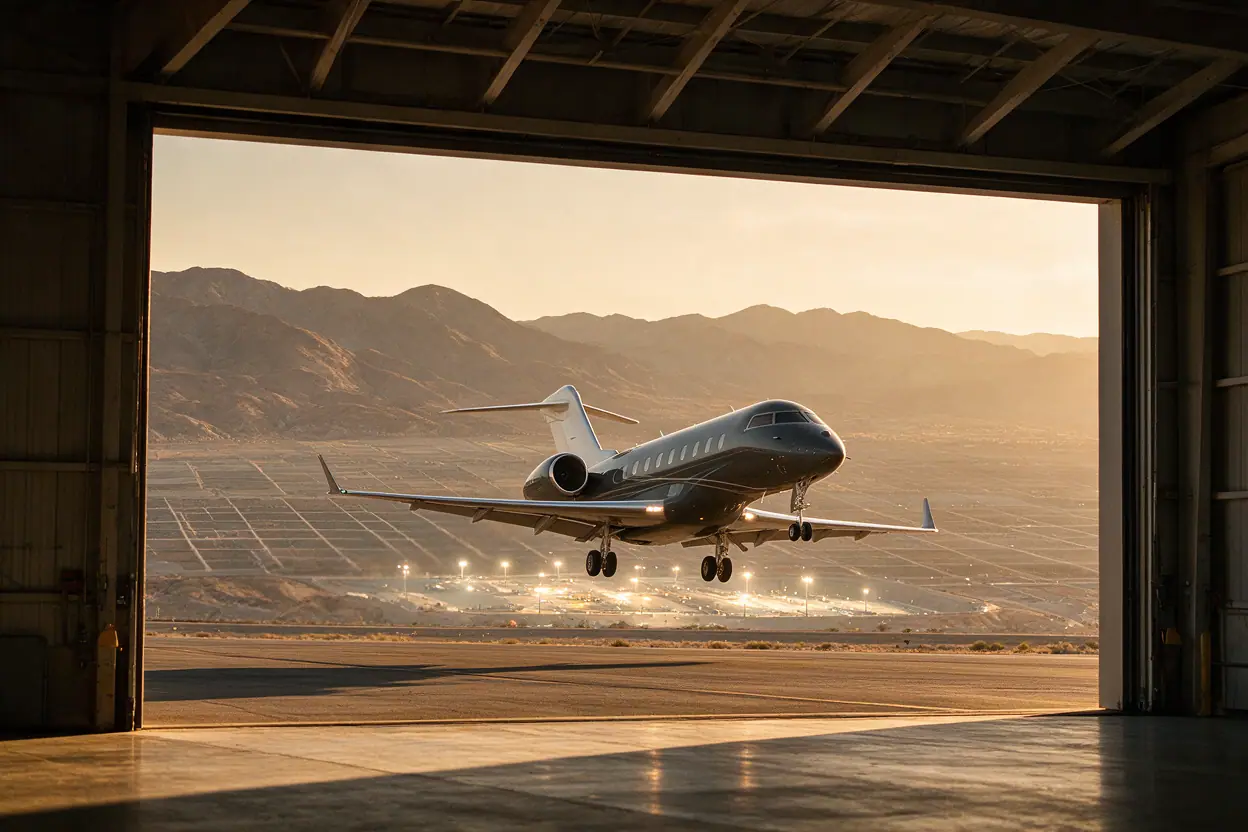
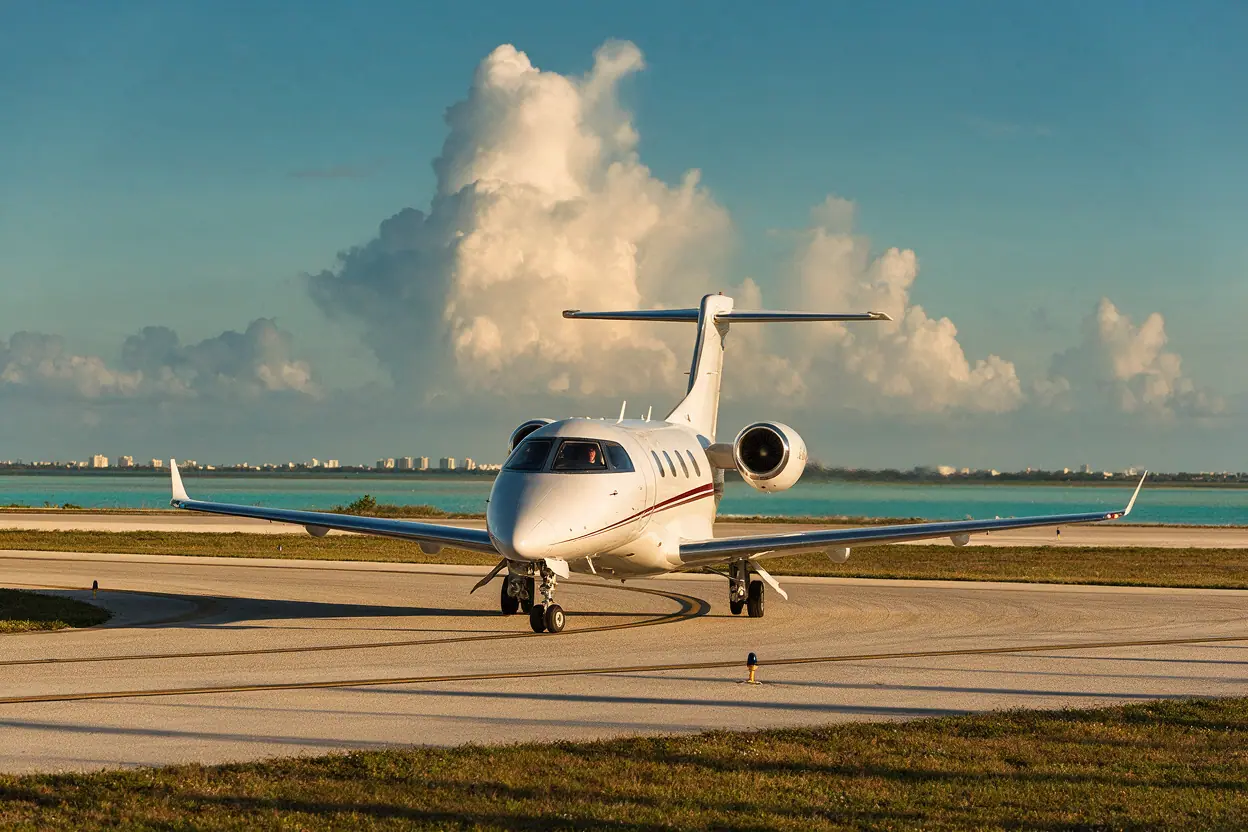

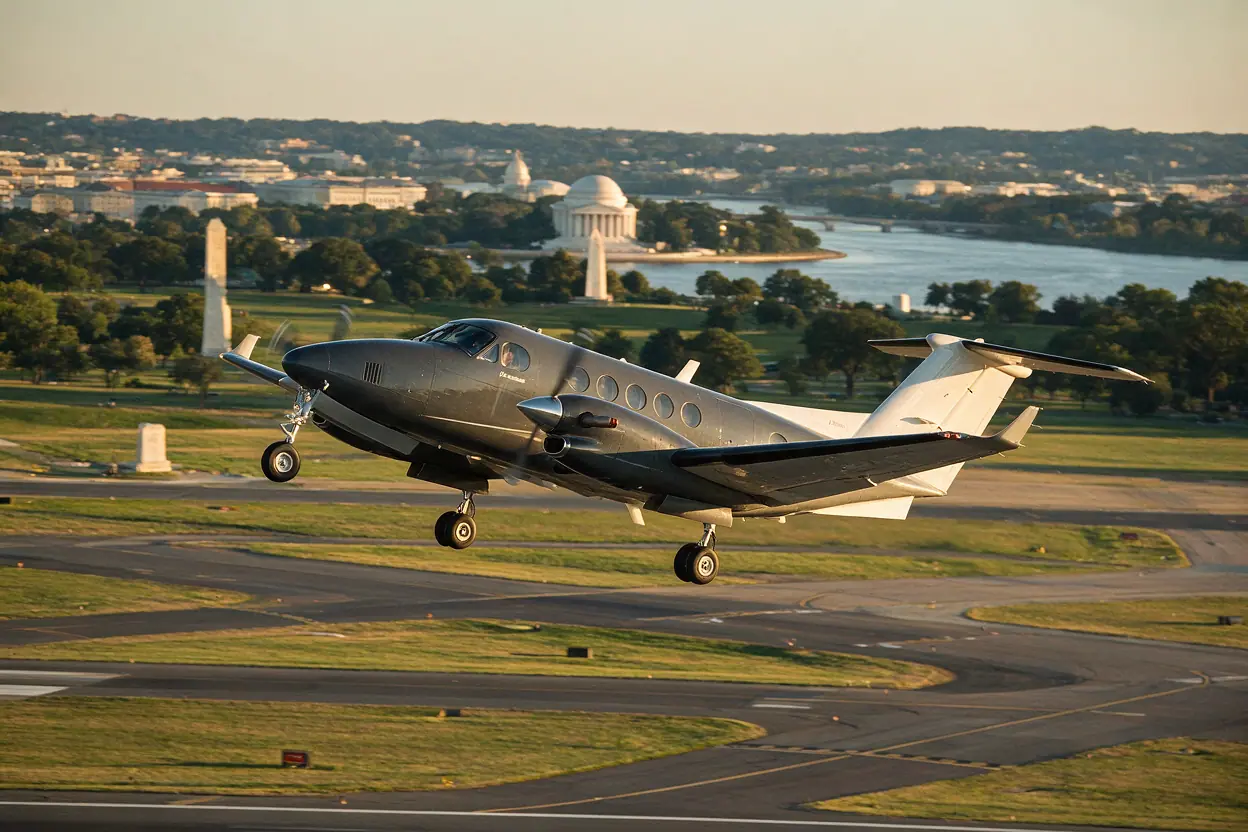
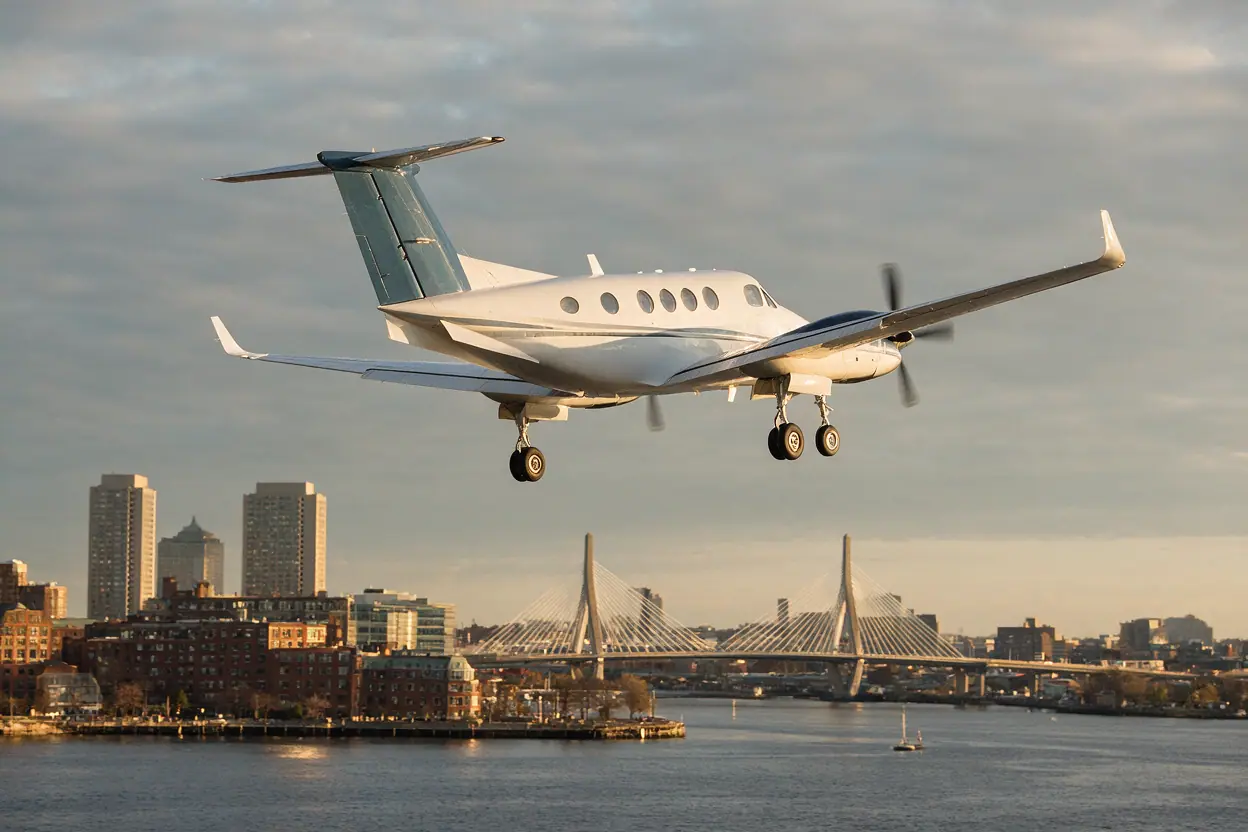
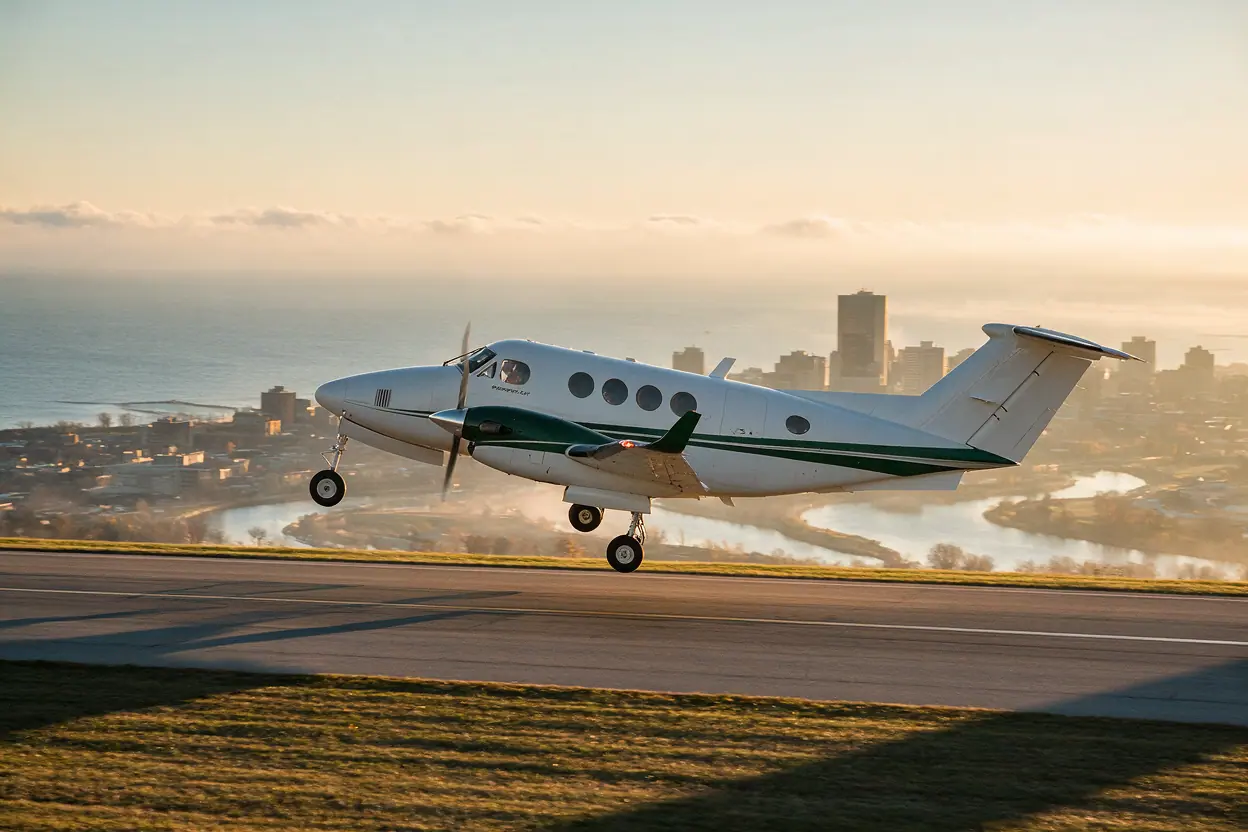
Super-midsize jet schedule and cost by route
On these 19 routes a super-midsize jet needs 0h 39m to 5h 17m, with single-leg estimates from $7,200 to $53,000.
| Flight | Flight time | One-way quote |
|---|---|---|
| Los Angeles → New York | 5h 03m | $36,500–$50,500 |
| Miami → New York | 2h 25m | $17,500–$24,000 |
| San Francisco → New York | 5h 17m | $38,000–$53,000 |
| Washington, DC → New York | 0h 44m | $7,200–$10,000 |
| Boston → New York | 0h 39m | $7,200–$10,000 |
| Cleveland → New York | 1h 05m | $8,000–$11,000 |
| Chicago → New York | 1h 41m | $12,000–$17,000 |
| Dallas → New York | 2h 58m | $21,500–$29,500 |
| Houston → New York | 3h 03m | $22,000–$30,500 |
| Atlanta → New York | 1h 44m | $12,500–$17,500 |
| Denver → New York | 3h 27m | $25,000–$34,500 |
| Phoenix → New York | 4h 26m | $32,000–$44,500 |
| New York → Los Angeles | 5h 03m | $36,500–$50,500 |
| New York → Las Vegas | 4h 37m | $33,500–$46,000 |
| New York → Miami | 2h 25m | $17,500–$24,000 |
| New York → San Francisco | 5h 17m | $38,000–$53,000 |
| New York → Aspen | 3h 39m | $26,500–$36,500 |
| New York → Nantucket | 0h 43m | $7,200–$10,000 |
| New York → Boston | 0h 39m | $7,200–$10,000 |
Before you book
What does super-midsize jet charter New York cost per hour?
Plan on $7,200 to $10,000 per flight hour for the class, which covers aircraft, crew and standard operating costs as an estimate rather than a firm fare. A short hop such as Boston to New York at 158 nautical miles prices around $7,200 to $10,000 for the whole aircraft, while Los Angeles to New York at 2,129 nautical miles runs roughly $36,500 to $50,500.
How many passengers fit on a super-midsize jet?
Eight to 10 passengers in the class, with the Challenger 350 seating 10 and the Gulfstream G280 seating 9. Baggage runs 106 cubic feet on the Challenger and 154 on the G280, which covers a full group's luggage for a week. The cabin ceiling is 6 feet on the Challenger and 6 feet 3 inches on the G280.
Can a super-midsize jet fly New York to Los Angeles nonstop?
Yes. Los Angeles to New York is 2,129 nautical miles and about 5 hours 3 minutes, inside the 3,200 nautical mile typical range for the class and well inside the G280's 3,600. San Francisco to New York is 2,227 nautical miles at about 5 hours 17 minutes, also nonstop. Both directions are flown routinely.
How long is the flight from Chicago to New York on this class?
Chicago to New York is 619 nautical miles and about 1 hour 41 minutes, with estimated pricing of $12,000 to $17,000 for the aircraft. Dallas to New York runs 1,191 nautical miles in about 2 hours 58 minutes, priced around $21,500 to $29,500. Both are comfortable single-leg flights in a stand-up cabin.
Which New York airports do super-midsize jets use?
The area's general aviation airports handle this class routinely, and the exact field depends on your itinerary, the aircraft and the day. Ask which airport your quote is built around before you compare prices, because the ground time and the drive from Manhattan differ between them. The flight time itself does not change much across the region.
How early should I request a super-midsize jet for a New York trip?
Earlier is better on peak dates. Holiday Fridays and major event weeks in New York tighten supply for the class, so a request placed well ahead gives you the Challenger 350 or G280 you want rather than a substitute. For a midweek transcon, a shorter lead time often still works, but the price and the aircraft choice narrow as the date approaches.